News

The story behind Janisha Ladva

Bedrock Healthcare Communications spoke to our Scientific Director Janisha Ladva about how she started in medical communications, the challenges and rewards of her role, and what attracted her to Bedrock. And much more…

What got you interested in a career in MedComms?

I had always loved writing and science separately; I studied English Literature at A-Level along with my Biology and Chemistry choices, and when I was deciding what to study at university, I was torn between my two passions. At one point I wanted to become a journalist! In the end, I decided to go with my passion for science and understanding how disease and the body works and chose to study a BSc in Medical and Pharmacological Sciences. It wasn’t until my university careers advisor told me about MedComms and guided me to FirstMedCommsJob.com that I found that I could in fact blend my two passions together.

What’s your earlier background?

After completing my BSc in Medical and Pharmacological Sciences, I was torn between further education and going out into the field of work straight away. I have always been quite ambitious and driven, and ended up wanting to begin my career in MedComms as soon as possible. I started off by getting a place on a graduate scheme and stayed at my first company for just over 5 years, working my way up the scientific ladder. It was only when I started getting involved in more strategic projects and partnering with clients on their medical plans and overall objectives that I realised I had an interest in this side of MedComms. I had the opportunity to make an internal move to the specialised services company and become an Associate Medical Director particularly for Biotech clients. I am really excited to now be at Bedrock and collaborate with like-minded individuals on a variety of projects.

What attracted you to Bedrock?

I was drawn to Bedrock for two main reasons. Firstly, the people. The culture seemed to fit in with my personal values and beliefs, and every individual shared the same genuine passion for their everyday work and science. I love geeking out over new advancements, data, and research, and so being around people who are also driven by this really excited me. My second reason was the real opportunity to be with a company at an exciting time of growth – I am really looking forward to seeing what’s in store for Bedrock over the coming years.

How would you describe Bedrock culture? 

The Bedrock culture is exactly as our values outline. Everyone is fuelled by the same genuine passion for delivering work that goes beyond expectations. We are all an open bunch and positively challenge each other to do better, think differently, and learn from our previous ways of working.

What’s been your Bedrock career highlight so far? 

I joined at a time of great momentum for Bedrock; the team had just done an amazing job and won a large portfolio of work for a new client, becoming their agency of record. Since I’ve joined, I have had the pleasure of being part of such a wonderful team that have driven immense growth and exceeded client expectations in just a short period of time (8 months). Reflecting back on this short time period and how much we, as a team have achieved, and the brilliant client partnerships we have already built, is extremely rewarding.

What’s it like to be a Scientific Director at Bedrock?

Life as a Scientific Director at Bedrock is never dull – no two days are alike. One moment I’m checking in on projects to ensure they are running smoothly and reviewing scientific materials, the next I’m catching up with clients and listening to their challenges at work and problem-solving with them. There are also lots of team and people-focussed initiatives I’m involved in where we think about operations, and how best we can support the scientific team. It’s full-on, but that’s what I love about it. I get to work with brilliant people, build strong relationships and see the real impact we make together in healthcare and ultimately on patient’s lives.

What do you find rewarding about your role

Developing strong, sustained client partnerships and seeing their trust and respect in the team grow over time, and in turn, seeing my team around me flourish.

What is the variety of work like? 

Everyone does always say the cliche line “No day is the same” – but it’s really true. One day you could be working on an animated infographic and partnering with creative and digital teams, and the next you could be participating in an internal client workshop discussing medical plans and tactics.

Any advice for others thinking about MedComms as a career? 

Speak to others that have been in the same role that you are thinking of, and if you love science – and a fast-paced, ever-changing environment that will satisfy you intellectually then go for it! There are so many ways to shape your career once you’ve been in MedComms for a while, the opportunities are endless.

What gets you up in the morning?

Coffee, definitely. But also, the excitement of not knowing what is in store for the day ahead and being able to start from a fresh canvas each day.

What do you enjoy outside of work? 

Baking and cooking (and on the flip side eating and trying new restaurants) and going to the gym or any fitness classes – I don’t feel like me if I haven’t had sufficient movement in the day.
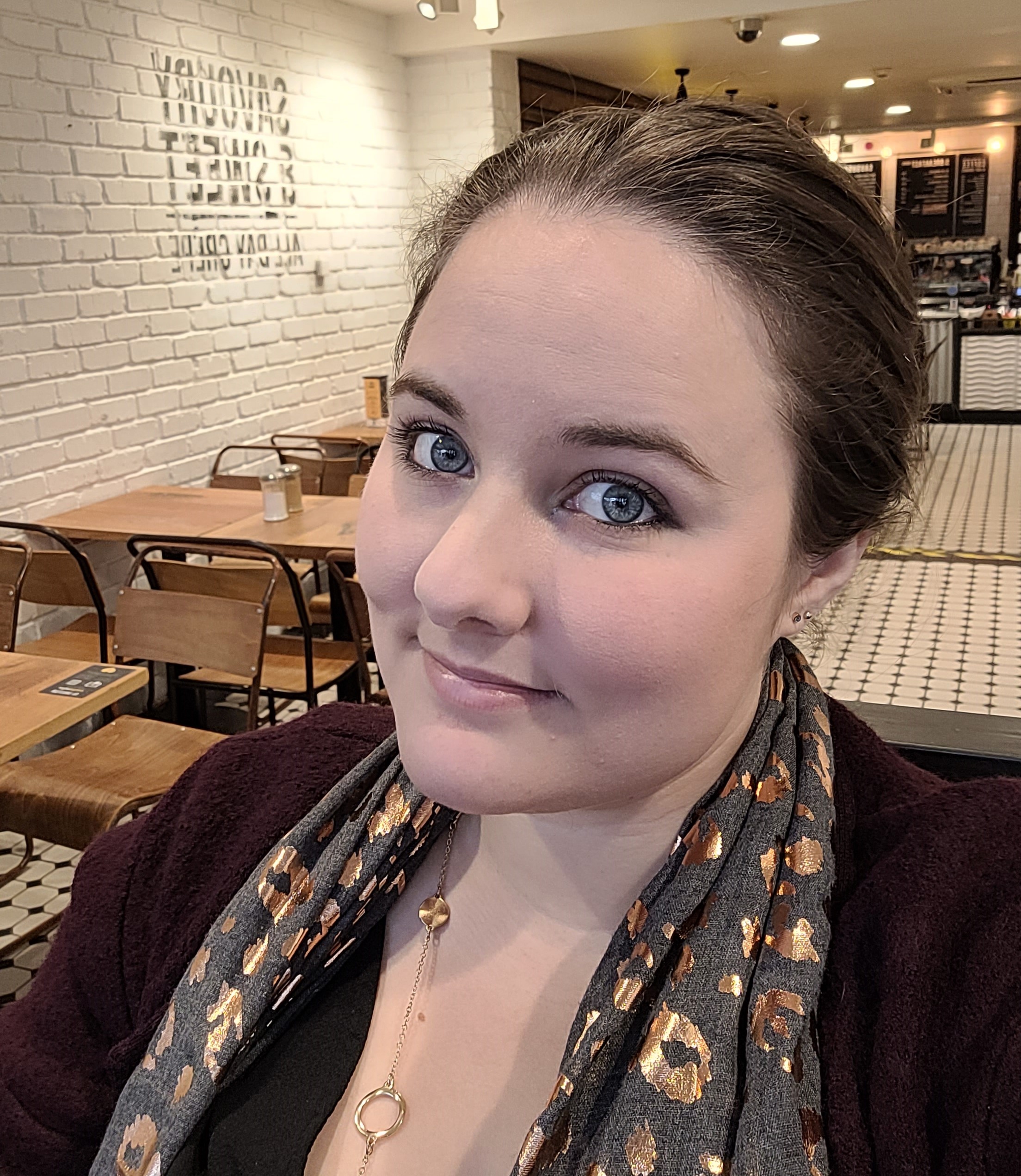
The story behind Emma Marsh

Bedrock Healthcare Communications spoke to our Senior Account Director Emma Marsh about how she started in medical communications, the challenges and rewards of her role, and what attracted her to Bedrock. And much more…

What got you interested in a career in MedComms?

It was serendipity, I had just moved back to my hometown and picked up a short-term contract working for a journal aimed at clinical commissioning groups (now integrated care systems). The editor-in-chief also owned a medical communications agency; when my contract ended, he and his business partner offered me a job as a Client Services Executive. I had no idea what medical communications was; it was leap of faith that has definitely paid off.

What’s your earlier background?

I have always had a passion for art and design, whilst also enjoying maths and physics at school. I struggled to decide what to study at university, so I completed a foundation diploma in art and design, prior to starting a degree in maths and physics. I enjoy having two seemingly opposed interests, that intersect and complement each other. 

How would you describe Bedrock culture? 

During my interview, I was drawn to the culture and values that my interviewers described; when I started at Bedrock I saw first-hand the values in practice. I felt at home immediately and that I could be myself. Every single employee lives by the values; we genuinely care about each other and the projects that we work on. We push ourselves to produce outstanding work, whilst maintaining a human approach, that, I believe really resonates with our clients.

What’s it like to be a Senior Account Director at Bedrock?

Being a Senior Account Director in medical communications is both challenging and incredibly rewarding. I’m responsible for managing client relationships, overseeing multiple projects, and ensuring everything runs smoothly from start to finish. It’s a mix of strategy, leadership, and problem-solving, with a focus on delivering high-quality work that aligns with our clients’ goals. One of the most fulfilling parts of the role is mentoring junior team members and helping them grow in their careers. It requires me to balance the needs of clients, whilst keeping the team motivated, and managing timelines and budgets. It’s a lot of responsibility, but seeing the impact we make on clients and the healthcare sector makes it all worth it.

What is the variety of work like? 

The variety of work in medical communications is one of the things I love most about the field – every day is different. You get to work across a wide range of therapeutic areas and communication formats, from journal articles to creating digital content and coordinating events. The diversity keeps things exciting and constantly challenges me to learn new things, which makes it a really rewarding career choice.

Any advice for others thinking about medical communications as a career? 

If you’re considering medical communications as a career, I’d say go for it. It’s a dynamic and rewarding field where you get to combine science with creativity, helping to communicate complex medical information in a clear and engaging way. Don’t be afraid to ask questions and seek guidance early on and always stay curious. It’s also a great idea to get involved in industry networks or groups, as building relationships with peers can be invaluable.

What do you enjoy outside of work? 

I’m really fortunate to have such a supportive network of friends and family, and I love spending quality time with them whenever I can. I particularly enjoy spending time with my daughter; our favourite days are out in nature. I also love sketching and learning new crafts – although I have to admit I do have one too many half-finished projects stored away. I really enjoy heading into London and going to art galleries. I’ve been lucky enough to visit art galleries all over the world, one of my favourites is the Musee d’Orsay in Paris. 

From Flights to Pharma: My Journey Into Medical Communications

If you had told me five years ago that I’d be building a career in medical communications, I’m not sure I would’ve believed you. At the time, I was working in the travel industry – a space I loved for its pace, its people, and the sense of adventure. But when the COVID-19 pandemic hit, like so many others, I was furloughed and eventually made redundant. That sudden change was a catalyst. It pushed me to reflect, reassess, and ultimately take a leap I’d only ever contemplated: transitioning into a completely new field. 

What started as a spontaneous shift turned into one of the most rewarding decisions of my professional life. 

Leaning Into Transferable Skills 

The transition into med comms wasn’t without its challenges, but I quickly found that many of the skills I honed in travel, particularly in client service, project coordination, and communication translated surprisingly well. 

In travel, managing complex itineraries under tight deadlines demanded meticulous attention to detail and sharp problem-solving. Those same qualities now help me manage multi-layered projects in the med comms world, from publication planning to commercial training decks and meetings, and so much more. 

Relationship-building was also key in both fields. Whether I was booking a family’s dream holiday or helping a pharmaceutical client plan a major standalone meeting, the ability to understand needs, communicate clearly, and build trust has been foundational. 

Learning the Industry 

My curiosity was my greatest asset when entering this highly specialised field. I started with conversations, particularly with a friend already working in medical communications. I researched agency websites, read up on terminology, and followed thought leaders like Peter Llewellyn on LinkedIn to get under the skin of the industry. I didn’t formally retrain, but I built my knowledge steadily and intentionally. Over time, I found my rhythm and my confidence. 

A Day in the Life 

Now, as an Account Manager, my days are anything but routine. I begin by reviewing project updates and ensuring timelines and budgets stay on track. I lead client meetings, manage internal teams, and contribute to everything from proposals to brainstorms. I love that no two days are ever the same. 

I’m particularly passionate about building strong client relationships. Understanding a client’s internal dynamics, therapy area, and objectives allows me to offer tailored support that delivers real value. 

The Unexpected Challenges (and Rewards) 

The learning curve was steep. I had to quickly become fluent in scientific acronyms, regulatory guidelines and publication processes, something that, in hindsight, I underestimated. But with the support of my team and a willingness to learn, I grew into the role and came to appreciate the precision and integrity the industry demands. 

What’s been most rewarding, though, is the sense of purpose. Our work supports healthcare professionals and patients by making complex science accessible and meaningful. It’s a behind-the-scenes contribution to improving patient outcomes and that’s something I never take for granted. 

Advice for Career Switchers 

If you’re considering a move into medical communications or any new industry know this: your previous experience is more valuable than you think. Identify your transferable skills, do your research and be prepared to learn fast. Find mentors, ask questions and stay curious. It won’t always be easy, but it will be worth it. 

Looking Ahead 

I see myself staying in this field long term. It challenges me intellectually, develops me professionally, and fulfils me personally. I’m currently focussing on my development, broadening my experience and skills to take on more responsibility and accountability. 

Looking back, the only thing I would’ve done differently is make the switch sooner. 

The great balancing act: Returning to work after maternity leave

Coming back to work after maternity leave is a significant and often daunting transition for many women, combining the joys of new motherhood with the challenges of re-entering the working world. In the UK, around 75% of mothers with dependent children are in employment, which suggests this journey to be a commonly shared experience. Despite this, it can be complicated, with studies showing that about 20% of women worldwide do not return to work after having a child.

Employers play a crucial role in facilitating a smooth transition, and at Bedrock (a Resonant Group company), we excel in reintegrating women back into the workplace by providing exceptional support, including flexible working hours, regular communication throughout leave and a thorough reintegration programme, involving a buddy system. We are committed to creating a nurturing and empowering environment that values and celebrates the contributions of returning mothers. Our innovative programmes ensure a seamless transition, enabling women to balance their careers and family life with confidence and success.

We spoke with Chloe, an Account Director at Bedrock, who has recently returned to work after her maternity leave. Chloe shared her personal insights, the support she received, and her enthusiasm for continuing her professional journey postpartum.

***

How does it feel to be back at work after your maternity leave?

It feels great to be back and part of the team again. I really enjoyed the KIT days and the summer meeting, so I was already excited about coming back. It felt like I never left thanks to everyone being so welcoming and supportive!

Can you share some highlights from your time away?

Maternity leave was incredible but also very challenging. The main highlight was spending extended time with my son, Lewis, and watching him change weekly. I also enjoyed a weekend trip to Madrid to visit a friend, which was a special treat.

How did Bedrock support you during your maternity leave? Were there any specific programmes or policies that you found particularly helpful?

I always felt part of the team. My line manager ensured we had regular touchpoints throughout my leave, both for personal check-ins and keeping me updated with work. Having my ‘keeping-in-touch’ (KIT) days helped me stay in the loop and made my transition back into work very smooth, alleviating any nerves I had. During these days, we discussed potential projects I’d work on, which definitely helped. My first week focused on re-onboarding, and having a buddy who had previously returned from maternity leave was invaluable for any questions I had.

How are you managing the balance between work and home life?

It’s still early days, but flexible working hours are helping me find the balance. Everyone has been incredibly supportive, especially in my first week, which helped me get up to speed and settle back in.

What has been the most rewarding aspect of returning to work after maternity leave?

It’s been rewarding to realise I can pick up where I left off. Despite initial worries about remembering how to do the job, I’ve been able to integrate back in quickly, though there’s still a lot to refamiliarise myself with.

What advice would you give to other employees who are about to go on maternity leave?

Enjoy it as much as possible, even though it can be challenging. It goes by quickly, so try to savour the moments – despite the sleepless nights!

It’s wonderful that Chloe’s return to work has been so positive, marked by strong support from her colleagues and Bedrock’s flexible policies, ensuring a smooth transition and an easy reintegration into the team.

Welcome back Chloe – it’s great to have you here again!

The story behind Wendy Haywood

Where did you start your career, what was your first role?

My first role was as Editorial Assistant in a tiny independent medical communications agency.
My main responsibilities were editing and reformatting presentations for scientific symposia, data/reference checking, and liaising with designers/checking artwork and proofs (everything was printed back in the olden times!) for a variety of different projects.

What attracted you to work in medical communications?

Spending my days reading medical and scientific literature, constantly learning about disease, pharmaceuticals and public health, and writing compelling stories to communicate complex information in impactful, engaging and simple formats sounded amazing – I couldn’t really believe it was an actual job when I first found it!

What do you find most interesting about the sector?

Absolutely it must be the variety. I have been working in the sector for 18 years, yet I learn something new literally every single day. 

What challenges is the sector currently facing?

From my perspective there are three challenges facing the industry. Undoubtedly, as with many industries, the evolution of AI tools is a tricky issue – how can we embrace these tools to our advantage while ensuring that the skills of our writers are not undermined and scientific integrity is retained at the highest standards? The second challenge is the evolving importance of work–life balance in an industry that has relied heavily on the ambition, commitment and dedication of its people going above and beyond – an inevitable shift in practice is underway. The third is the limited pool of talented medical writers in a rapidly growing industry.

What is your role at Bedrock?

I have joined Bedrock as Scientific Director. Within this role, I will be able to collaborate with our talented writers and diverse clients to develop innovative and creative communication materials. 

What attracted you to join, what was it about Bedrock that you see as different from anywhere else?

The culture at Bedrock stands them apart from almost every other agency. Their values and vision were just so aligned with mine. I felt instantly that they would support my passions for upholding the highest quality with robust scientific integrity whilst maintaining a bigger picture perspective and always looking for the value. I felt that I would fit well into the team, and we could grow the agency in a sustainable way with the right people in the right roles and be able to provide everyone with a really bright future at Bedrock – I was excited by the prospect from my first interview.

What has been your highlight at Bedrock so far?

Within a few hours of starting, I found myself in a brainstorming session for what would become one of my main accounts. Although daunting, this gave a really clear picture of what was to come! The Bedrock culture is so focussed on collaboration, and this has definitely been the highlight so far. Everyone in the team is open minded, engaged and excited to innovate. There is a wealth of experience in the team alongside bright young talent and everyone is given the opportunity to contribute. 

What gets you up in the morning?

Physically, my 2-year-old! Figuratively, physiology and pathophysiology, and learning about complexities within our own bodies. 

What tips have you got for anyone wanting to get into medcomms? 

Read, read, read … medical and scientific journal articles, pharmaceutical industry websites, disease association websites, etc. Entry-level positions are competitive, and this applies to all functions within medcomms from a writer to an account handler. When recruiting, I am predominantly looking for someone who is passionate about communicating science and medicine, and who can talk eloquently about their research and interests.

A career in MedComms Client Services: How to get started and grow

Do you want to get into the Client Services side of MedComms? If so, this article is for you. We asked several members of our growing Client Services team to share their career tips. You’ll discover how they got into MedComms, how they’ve developed and why having a learning and growth mindset can be more important than previous experience.


Continue reading “A career in MedComms Client Services: How to get started and grow”

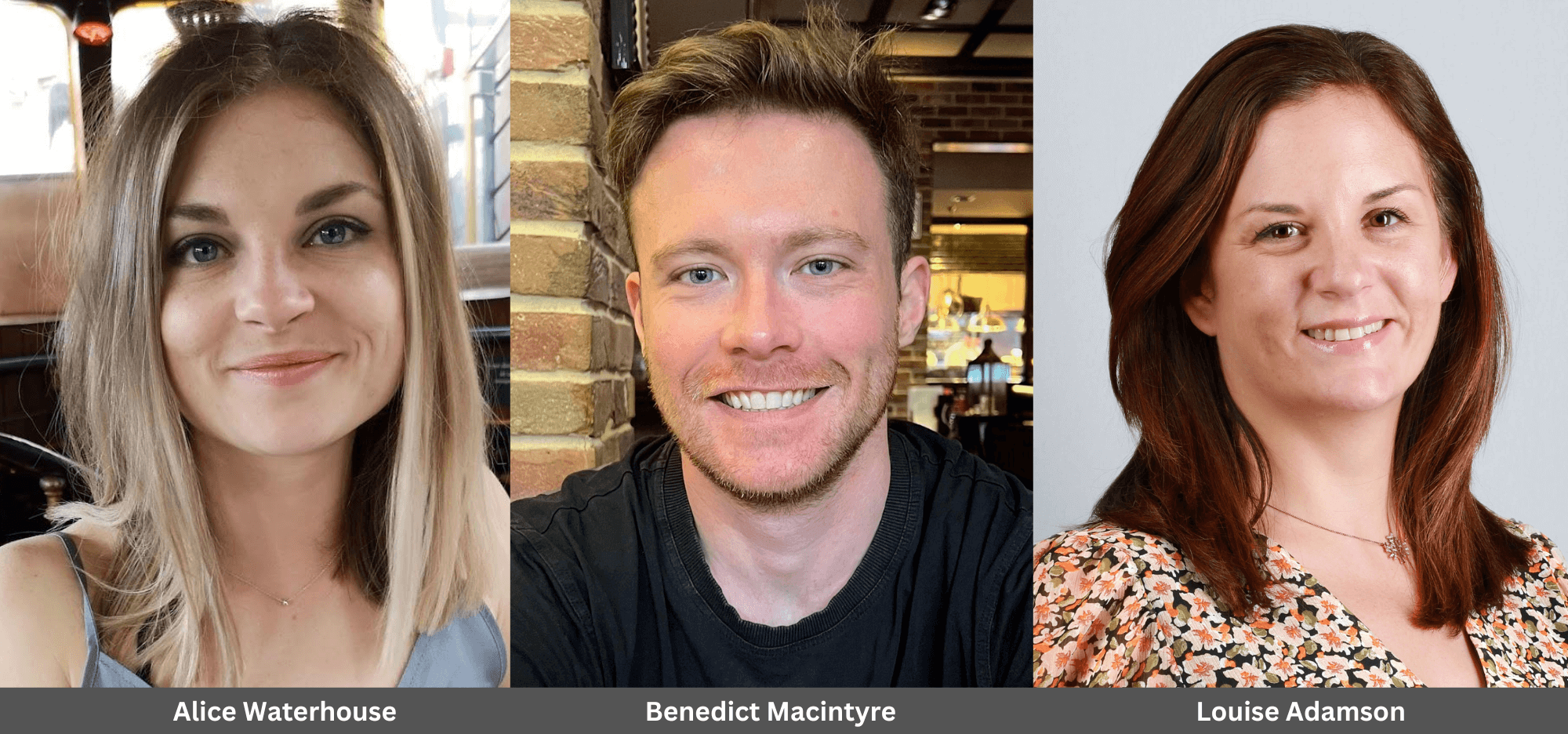
The story behind Alice Waterhouse

Bedrock Healthcare Communications spoke to our Associate Scientific Director, Alice Waterhouse, about what got her started in her 10-year career in medical communications, what she’s learned so far and what attracted her to Bedrock. And much more…


Continue reading “The story behind Alice Waterhouse”

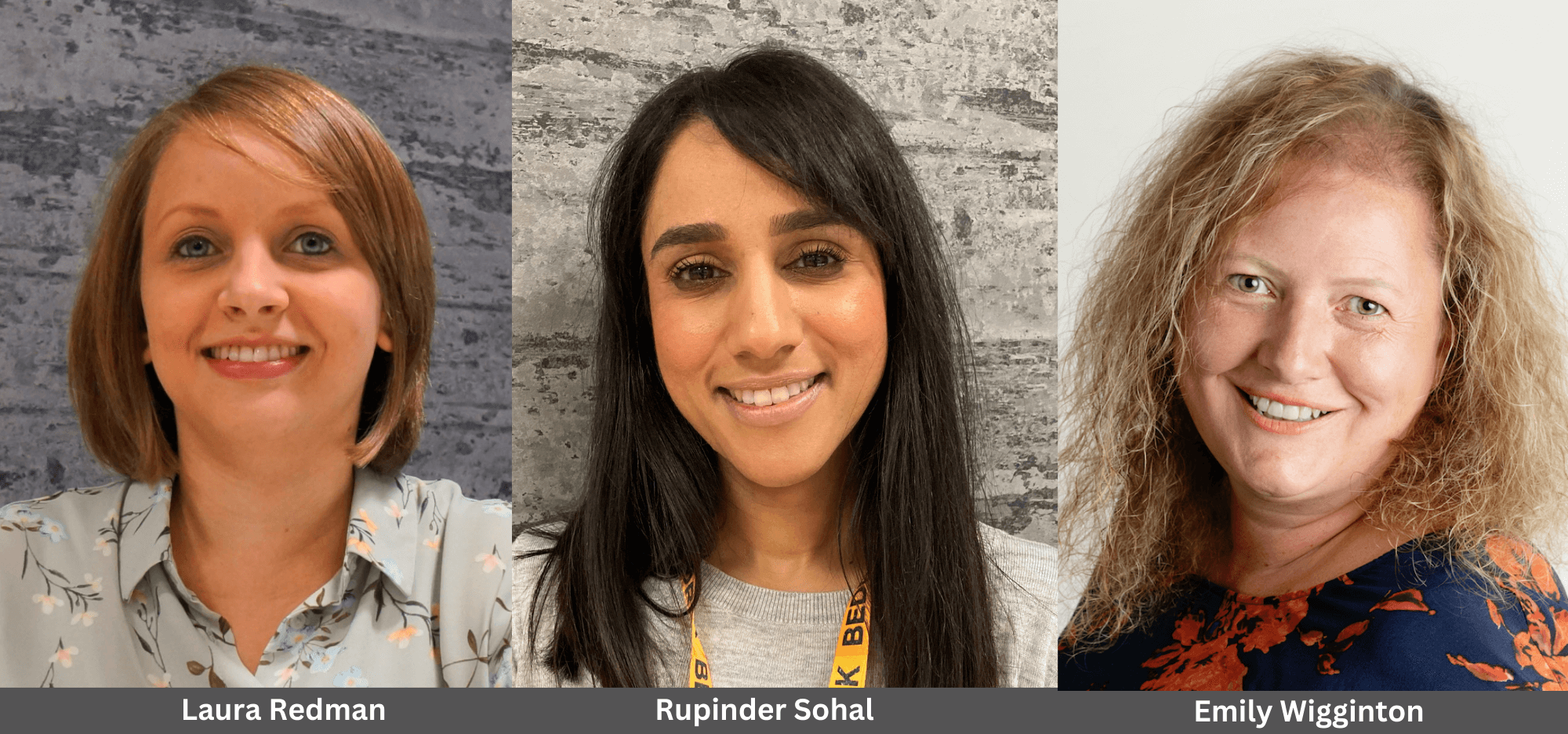
A career in MedComms strategy – how to get started and grow

Do you want to get into a career in MedComms strategy? If so, read on. We asked two members of our strategy team to share their career stories. They cover how they found out about MedComms, their advice to help get started and what attracted them to Bedrock. And much more…


Continue reading “A career in MedComms strategy – how to get started and grow”

The story behind Benedict Macintyre

Bedrock Healthcare Communications spoke to one of our recent starters, medical writer Benedict Macintyre, about what inspired him to become a medical writer, what attracted him to Bedrock and his highlights so far. And much more…


Continue reading “The story behind Benedict Macintyre”

A career in MedComms and medical writing – how to get started and grow

Do you want to get into a career in MedComms and medical writing? If so, read on. We asked several members of our Scientific Services team to share their career stories. They cover how they found out about MedComms, their advice to help get into our exciting industry and what attracted them to Bedrock. And much more…


Continue reading “A career in MedComms and medical writing – how to get started and grow”